Alcoholic beverages in Thailand - statistics & facts
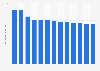
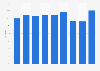
Rising number of consumers, stringent regulations, and the presence of major players largely shape Thailand’s alcoholic beverage market. In 2024, more than one-third of Thais consumed alcoholic beverages. Valued at over 22 billion U.S. dollars, Thailand’s alcoholic drinks market is poised for modest growth in the coming years, with beer accounting for the majority of the market share.
Smaller craft brewers and distillers are emerging around the country. These microdistillers produce spirits like rum, gin, and whiskey with local ingredients, reflecting a growing demand for artisanal beverages. However, they face significant barriers to entry due to stringent regulations outlined in the 1950 Liquor Act. These laws require substantial production volumes and high capital investment, making it challenging for small-scale producers to break into the market.
The Thai alcoholic beverage market remains a complex landscape dominated by established players. While small-scale producers still face significant barriers, the market is likely to become more diverse as new players take advantage of the evolving legal and consumer landscape alongside shifting preferences toward locally produced products.
Thailand’s alcohol consumption and exports
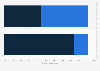
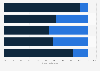
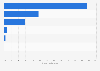
Beer stands out as the most popular alcoholic beverage in Thailand, accounting for over half of the domestic consumption value in 2023. Spirits follow at a distant second, making up around 36 percent of total alcoholic drink consumption. The prominence of beer extends to exports as well, with beer accounting for the largest volume of alcoholic beverage exports from Thailand in 2023. The country's total alcoholic beverage exports reached approximately 2.8 billion U.S. dollars that year, with Myanmar serving as key export market for beer, spirits, and wine.Who are the leading players in Thailand’s alcoholic drink industry?
The market is heavily controlled by two main players: Thai Beverage Public Company Limited (ThaiBev) and Boon Rawd Brewery, with beer making the highest sales across both companies. ThaiBev is known for its flagship brands like Chang beer and SangSom rum. On the other hand, Boon Rawd Brewery owns Singha and Leo beers. Their beverage portfolios account for a substantial share of both domestic sales and exports. The two companies’ stronghold is further reinforced by their vast distribution networks and loyal customer bases.Smaller craft brewers and distillers are emerging around the country. These microdistillers produce spirits like rum, gin, and whiskey with local ingredients, reflecting a growing demand for artisanal beverages. However, they face significant barriers to entry due to stringent regulations outlined in the 1950 Liquor Act. These laws require substantial production volumes and high capital investment, making it challenging for small-scale producers to break into the market.
Distribution channels and pricing trends
Hypermarkets play a crucial role in the distribution of alcoholic drinks in Thailand, commanding around 29 percent of the market share in 2023. Supermarkets follow with approximately 19 percent share, indicating the importance of large-format retailers in the alcoholic beverage market. At the same time, the rising prices of spirits, reflected in the consumer price index, may drive future revenue growth even as overall consumption volume decrease. Nonetheless, this pricing trend could also affect purchasing behavior, especially in the spirits category, while beer remains the drink of choice for many Thai consumers.The Thai alcoholic beverage market remains a complex landscape dominated by established players. While small-scale producers still face significant barriers, the market is likely to become more diverse as new players take advantage of the evolving legal and consumer landscape alongside shifting preferences toward locally produced products.