Non-alcoholic beverages in Thailand - statistics & facts
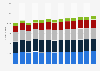
From bottled water, green tea to canned coffee and electrolyte drinks, non-alcoholic beverages have cemented their place in the everyday lives of Thai consumers. In 2024, Thailand’s non-alcoholic drinks market was valued at approximately 4.37 billion U.S. dollars. The country’s non-alcoholic beverage market has seen sustained growth in recent years, driven by urbanization, an expanding retail footprint, and the cultural significance of beverage consumption in daily routines.
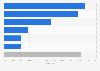
Nescafé, produced by Nestlé Thailand, leads in the ready-to-drink coffee segment, followed closely by Ajinomoto’s Birdy brand. Local brands have also carved out significant market share through flavor innovation. Beverages such as ready-to-drink cha yen (Thai iced tea) and herbal drinks including chrysanthemum or bael fruit tea are widely consumed. Companies like Ichitan Group and Tipco have tailored their product lines to reflect domestic preferences for both traditional and health-oriented beverages.
The latest tax tier imposes a higher levy on drinks containing more than six grams of sugar per 100 milliliters, incentivizing manufacturers to reformulate their products. While major brands have begun reducing sugar content or offering “zero sugar” alternatives, the long-term effects on consumer behavior remain uncertain. Analysts anticipate a potential moderation in revenue growth in 2025, particularly in the carbonated soft drink segment.
Thailand’s non-alcoholic beverage market remains resilient amid shifting consumer preferences and regulatory pressures. With a blend of multinational investment, local innovation, and a dynamic retail environment, the industry is well-positioned to adapt to changing health and lifestyle trends across the region.
How are global beverage brands winning over Thai consumers?
Thailand's beverage market is influenced by both locally tailored goods and global giants. The proliferation of modern retail outlets has enabled both international and domestic brands to secure a strong foothold in the Thai market. Retail channels such as convenience stores, local groceries, and hypermarkets play a crucial role in driving access to non-alcoholic drinks. Japanese and western brands such as Oishi Group (owned by Thai Beverage Plc), Nescafé, and Coca-Cola dominate retail shelves, but have increasingly localized their offerings to cater to Thai tastes.Nescafé, produced by Nestlé Thailand, leads in the ready-to-drink coffee segment, followed closely by Ajinomoto’s Birdy brand. Local brands have also carved out significant market share through flavor innovation. Beverages such as ready-to-drink cha yen (Thai iced tea) and herbal drinks including chrysanthemum or bael fruit tea are widely consumed. Companies like Ichitan Group and Tipco have tailored their product lines to reflect domestic preferences for both traditional and health-oriented beverages.
Is Thailand becoming a key player in regional beverage exports?
Thailand’s robust food and beverage manufacturing sector is a pillar of its non-alcoholic beverage industry. In 2024, the export value of non-alcoholic drinks surpassed 1.7 billion U.S. dollars, making it a major player in beverage exports within Southeast Asia. Key markets include Vietnam, Cambodia, Myanmar, and Laos, as well as emerging demand from China and the Middle East.Will sugar taxes change how Thailand drinks?
Public health measures may reshape consumption despite industry growth, with recent initiatives altering market dynamics. To combat Thailand’s high sugar consumption and rising rates of Type 2 diabetes, the government expanded its excise tax on sugary beverages in 2023.The latest tax tier imposes a higher levy on drinks containing more than six grams of sugar per 100 milliliters, incentivizing manufacturers to reformulate their products. While major brands have begun reducing sugar content or offering “zero sugar” alternatives, the long-term effects on consumer behavior remain uncertain. Analysts anticipate a potential moderation in revenue growth in 2025, particularly in the carbonated soft drink segment.
Thailand’s non-alcoholic beverage market remains resilient amid shifting consumer preferences and regulatory pressures. With a blend of multinational investment, local innovation, and a dynamic retail environment, the industry is well-positioned to adapt to changing health and lifestyle trends across the region.