Consumer behavior in Portugal - statistics & facts
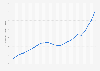
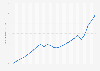
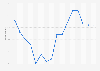
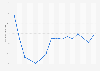
From financial crises to a pandemic or even to the threats of commercial barriers such as the United-States-imposed tariffs, several economic factors have influenced consumption behavior in Portugal in recent years. With the consumer price index (CPI) climbing to over 124 points in April 2025 and with the average monthly disposable income per household reaching 1,878 euros, the Portuguese have been maintaining a delicate balance between consumption and savings. However, as the confidence of consumers decreases, not only does the share of disposable income saved rise, but also consumption habits adapt to the present circumstances.
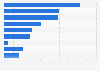
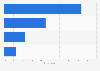
When it comes to planning future spending activities, 40 percent of the Portuguese intend to use money to go on a trip. Despite this being the single activity on which most people planned to spend money in 2024, pursuits regarding housing, such as buying, renovating, or furnishing the house, gathered even more interest when combined.
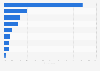
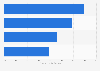
During special retail events, consumption escalates both offline and online. During Black Friday 2024, there was an increase of over 190 percent in the number of purchases paid with national cards just in the clothing and accessories segment. However, it was high-tech gadgets that most consumers intended to acquire during the event.
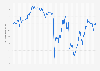
As the unpredictability of commercial policies remains on the horizon of Portuguese consumers, it is not surprising that they expect their financial situation to deteriorate during the upcoming year. Consumer behavior will continue adapting to internal and external trends in an effort to which the Portuguese are already quite accustomed.
Consumer behavior and spending habits
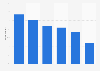
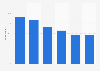
The annual food expenditure of households in Portugal has reached 35.5 billion euros in 2024, a higher value than in pre-pandemic times. Still, food and beverages are only the third product category where consumers splurge the most money. In fact, it is on clothing and accessories that the Portuguese prefer to make the most expensive purchases. Despite privileging comfort when acquiring apparel, half of the consumers in Portugal state that dressing well is very important to them. Simultaneously, the vast majority of the Portuguese look out for special offers or promotions when purchasing a product of any class, which reveals a struggle between consuming what is desired and making responsible financial decisions.When it comes to planning future spending activities, 40 percent of the Portuguese intend to use money to go on a trip. Despite this being the single activity on which most people planned to spend money in 2024, pursuits regarding housing, such as buying, renovating, or furnishing the house, gathered even more interest when combined.
Online shopping and retail events
Although the Portuguese continue to prefer shopping in physical stores, online shopping has become a common practice among consumers of all ages. In 2024, over half of people aged between 45 and 54 years had made at least one online purchase, and this share was even higher for younger age groups. The frequency of using e-commerce for acquiring products or services has been increasing over the past two years, along with the share of people making sales to other consumers, which reached the all-time highest in 2024.During special retail events, consumption escalates both offline and online. During Black Friday 2024, there was an increase of over 190 percent in the number of purchases paid with national cards just in the clothing and accessories segment. However, it was high-tech gadgets that most consumers intended to acquire during the event.
As the unpredictability of commercial policies remains on the horizon of Portuguese consumers, it is not surprising that they expect their financial situation to deteriorate during the upcoming year. Consumer behavior will continue adapting to internal and external trends in an effort to which the Portuguese are already quite accustomed.