Food retail in the Asia-Pacific region - statistics & facts
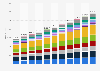
Food retail in the Asia-Pacific region is evolving rapidly, with technology, changing consumer preferences, and new formats reshaping the industry. It encompasses supermarkets, hypermarkets, convenience stores, traditional shops, and online platforms. This region is home to some of the world’s largest and fastest-growing economies, resulting in a thriving food retail sector, valued at over four trillion U.S. dollars.
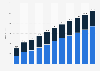
Online grocery shopping in the Asia-Pacific region expanded significantly in recent years. The online grocery sector is projected to rise, with growth driven by mobile shopping, delivery apps, and omnichannel strategies. However, many consumers still prefer smaller, frequent purchases and use a mix of online and offline channels, such as browsing online before buying in-store. China remains the largest online grocery market compared to other countries in the region.
Freshness is still the most important purchase factor for consumers across the region, especially for fruits and vegetables, which remain dietary staples. Prices for food have increased, with more shoppers seeking value for money amid rising living costs. At the same time, cultural and religious considerations, such as demand for halal products in Muslim-majority countries of Southeast Asia, continue to shape purchase decisions.
Types of retail channels in Asia
Food retail channels in the Asia-Pacific region combine modern and traditional retailers. While supermarkets are present in most urban areas in APAC, traditional shops and wet markets continue to play a crucial role as shopping channels in Southeast Asia, often accounting for more than half of grocery sales, thanks to their role in providing fresh produce, spices, and local specialties.Online grocery shopping in the Asia-Pacific region expanded significantly in recent years. The online grocery sector is projected to rise, with growth driven by mobile shopping, delivery apps, and omnichannel strategies. However, many consumers still prefer smaller, frequent purchases and use a mix of online and offline channels, such as browsing online before buying in-store. China remains the largest online grocery market compared to other countries in the region.
Consumer behavior
Consumer spending on food in Asia has been growing steadily, supported by higher disposable incomes. The per capita expenditure on food and non-alcoholic beverages remains high in East Asia, and Southeast Asia is gradually closing the gap. Growth in fast-moving consumer goods (FMCG), including food, remains resilient. However, Southeast Asian consumers were projected to close the gap with East Asia in terms of per capita spending on food in the next five years.Freshness is still the most important purchase factor for consumers across the region, especially for fruits and vegetables, which remain dietary staples. Prices for food have increased, with more shoppers seeking value for money amid rising living costs. At the same time, cultural and religious considerations, such as demand for halal products in Muslim-majority countries of Southeast Asia, continue to shape purchase decisions.