Tobacco market in Germany - statistics & facts
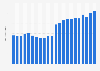
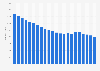
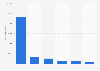
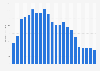
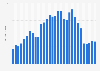
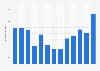
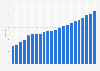
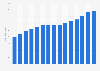
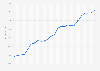
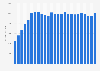
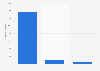
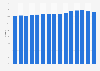
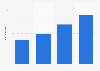
How much do Germans pay for lighting up? As of January 2025, around 8.7 euros for a pack of cigarettes, with prices rising annually. The cigarette market in Germany is prominent nationally and internationally. The most consumed type of cigarettes were branded cigarettes, with around 56 billion smoked in 2023. Speaking of brands, leading brands worldwide and also found in Germany include Marlboro, L&M, and Pall Mall. All three, in addition to others, are owned by Philip Morris International and British American Tobacco, respectively.
Decades of research and evidence confirm the health risks heightened by smoking, with consumer attitudes and consumption levels subsequently changing. Smoking in public spaces is banned in Germany, though rules may differ somewhat depending on the federal state. Still, cigarettes remain part of a shared social experience for many, or simply a daily habit. The German cigarette market is determined to retain consumers, despite the government banning outdoor advertising of tobacco products. It is a tense balance of sorts between an industry that will likely never be banned outright and attempts to nevertheless legally restrict negative impact on individual and public health.
Germany is not only a domestic producer, but also a major exporter of cigarettes, with volume totaling billions across Europe and beyond. At the complicated intersection of profits, corporations, governmental regulations, continuous negative effects on human and environmental health, the German cigarette market remains simultaneously lucrative and controversial.
Out for a smoke
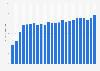
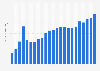
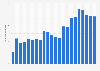
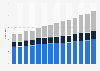
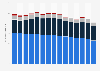
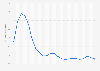
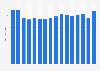
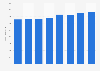
Most Germans buy their cigarettes alongside grocery shopping in the supermarket or in kiosks. In 2024, retail sales of tobacco products generated around 30 billion euros in revenue, following a brief downturn after the coronavirus (COVID-19) pandemic. But what are tobacco products? As it turns out, not just conventional cigarettes. The list includes cigars, roll-your-own cigarettes, and pipe tobacco, among others, which are all grouped under smoked tobacco. Despite seeing much lower sales volume compared to other products, pipe tobacco is still in use among consumers, though the pipes themselves may currently differ somewhat from well-known images from earlier centuries in Europe. Smokeless tobacco products are defined by tobacco being consumed without smoke as a result, e.g., with chewing or dipping tobacco. While this may seem somewhat antiquated, it is another way to keep consumers hooked as cigarette consumption as such may decrease. Heated tobacco products are often associated with the brand IQOS. These produce an aerosol which consumers inhale. Finally, some products do not contain tobacco, just nicotine.Mists of time
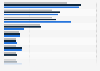
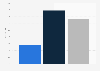
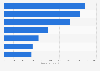
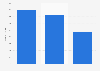
E-cigarettes have taken the cigarette market into a new era. They are also referred to as vapes, due to the aerosol produced by them being a vapor, hence, also the act of smoking an electronic cigarette is called vaping. The products are powered by batteries. In times when consumers may increasingly turn away from heated tobacco products in the long run, the industry markets e-cigarettes as less harmful. However, the fact that the vapor (usually) still contains nicotine and other chemicals actually confirms that vapes are a health risk for consumers as well. Among the reasons for using e-cigarettes, Germans cited reducing or ending tobacco consumption as the main incentive. A third of respondents were influenced by friends using vapes, while around the same share believed vaping was less harmful than smoking tobacco.Germany is not only a domestic producer, but also a major exporter of cigarettes, with volume totaling billions across Europe and beyond. At the complicated intersection of profits, corporations, governmental regulations, continuous negative effects on human and environmental health, the German cigarette market remains simultaneously lucrative and controversial.