Apparel market in the Asia-Pacific region - statistics & facts
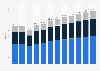
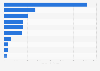
The Asia-Pacific region (APAC) houses some of the largest apparel markets in the world, including China, India, and Japan. As a key player in international trade, China remains the world's leading apparel exporter, followed closely by Bangladesh and Vietnam. Many Asian countries have established robust garment, textiles, and footwear (GTF) manufacturing sectors, which contribute considerably to their GDPs and supply the global apparel market.
These countries are not only regional leaders; they are also the production center for many well-known Western brands. Global retailers like H&M, Zara, Nike, and others rely heavily on low-cost manufacturing based in China, Bangladesh, India, and Vietnam. While it allows companies to meet fast fashion demands in the West, it has also sparked ongoing debates around ethical labor practices and environmental sustainability.
Inflation and rising clothing prices are also reshaping consumer behavior. More shoppers are becoming price-conscious, leading to more intentional purchasing and reconsideration of fast fashion habits.
Leading apparel markets and exporters
In APAC, China dominates the apparel sector, generating the highest revenue across women's, men's, and children's clothing markets. Bangladesh is the world's largest exporter of cotton T-shirts, while China remains the top exporter of T-shirts overall. Vietnam is a major exporter of clothing and accessories in Southeast Asia and holds a strong position in leather and footwear manufacturing.These countries are not only regional leaders; they are also the production center for many well-known Western brands. Global retailers like H&M, Zara, Nike, and others rely heavily on low-cost manufacturing based in China, Bangladesh, India, and Vietnam. While it allows companies to meet fast fashion demands in the West, it has also sparked ongoing debates around ethical labor practices and environmental sustainability.
Evolving consumer concerns and market trends
Fast fashion giants, such as Shein from China, have surged in popularity due to their low prices. At the same time, they face growing criticism over labor practices, environmental costs, and waste. As a result, a growing number of consumers are turning to resale platforms, thrift shopping, and brands marketed as eco-friendly. In APAC, sustainability concerns are on the rise, although attitudes toward secondhand shopping remain mixed. Even so, a small but growing segment of affluent consumers in Asia is beginning to embrace secondhand luxury or sustainable luxury, though the overall "say-do" gap remains wide.Inflation and rising clothing prices are also reshaping consumer behavior. More shoppers are becoming price-conscious, leading to more intentional purchasing and reconsideration of fast fashion habits.