Uniqlo - statistics & facts
Uniqlo has become one of the most valuable Japanese brands, ranking along with major domestic automobile and technology companies. The brand started as a collection of clothing stores in suburban areas and has consolidated its parent company, Fast Retailing’s position in Japan’s fashion industry within 40 years. The business revolves around the casual apparel segment, with functional technology driving product development. While the parent company has diversified its brand portfolio through mergers and acquisitions as well as in-house development, the Uniqlo brand continues to contribute the majority of Fast Retailing's revenue.
Amid changing market conditions, Uniqlo is facing the challenge of positioning itself between sustainable brands with high transparency and cost-effective fast fashion brands that boast high design variations. The fashion innovator has affirmed its commitment to society and the environment with a sustainability-driven “LifeWear” concept, but it will also need to convince consumers of its basic and simple product designs in a mature and heavily trend-driven global market.
Uniqlo propelling Fast Retailing’s success story
Uniqlo expanded its global reach through directly operated stores while keeping full control of product development processes and sales as a specialty store retailer of private label apparel (SPA). Research and development, the integration of new retail technologies, as well as steady investment in advertising and promotion, were the keys to Fast Retailing’s brand creation strategy. Starting with a replication of fleece at a lower price point in 1998, the early integration of online sales and checkout systems using RFID tags has since contributed to Uniqlo's consumer-friendly shopping experience. Functional technology combined with casual wear has steered its brand strategy for decades, with Heattech and ultra-light down jackets having become signature products. Meanwhile, collaborations with popular culture and fashion designers boost its branding on social media.What is coming next for Uniqlo?
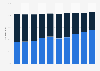
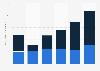
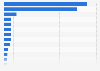
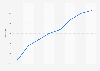
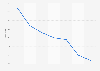
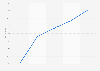
The opening of flagship stores overseas kicked off Uniqlo’s global expansion in the early 2000s, and since 2018, Uniqlo International’s revenue has surpassed domestic sales. While Uniqlo remains the undisputed leader in Japan’s fashion industry, demand is declining in the aging society. China has become the pillar of its overseas activities, but continuous store openings worldwide have shown Fast Retailing’s ambition to solidify its global position against brands like Zara and H&M.Amid changing market conditions, Uniqlo is facing the challenge of positioning itself between sustainable brands with high transparency and cost-effective fast fashion brands that boast high design variations. The fashion innovator has affirmed its commitment to society and the environment with a sustainability-driven “LifeWear” concept, but it will also need to convince consumers of its basic and simple product designs in a mature and heavily trend-driven global market.