Beauty and personal care in Southeast Asia - statistics & facts
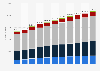
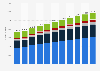
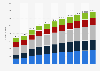
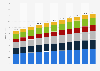
The beauty and personal care market in Southeast Asia is shifting, and domestic brands are gaining increasing popularity among consumers. While countries such as China, Japan, or the United States record high revenues in the cosmetics market, the Southeast Asian beauty and personal care market is rapidly evolving, driven by rising incomes, digitalization, and changing consumer preferences. With a young, tech-savvy, and beauty-conscious population, Southeast Asia is emerging as one of the fastest-growing regions for skin care, cosmetics, and personal care products.
There is also a growing preference for natural, organic, and cruelty-free products, especially among Gen Z and millennials, who prioritize health and environmental impact. Additionally, personalization has also become a key driver of growth, with brands offering customized skin care solutions tailored to diverse skin types and climates across the region.
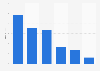
At the same time, Korean, Japanese, and Chinese beauty trends continue to have a strong influence, shaping consumer expectations around product innovation and multi-step skin care routines. The popularity of K-beauty is especially high across Southeast Asia. In addition, cross-border e-commerce has expanded access to international brands, creating a competitive yet dynamic beauty market.
Changing consumer preferences and digital influence
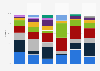
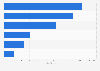
Southeast Asian consumers are becoming more selective and informed about products they use, driven by increased access to information through social media, beauty influencers, and e-commerce platforms. The region's rapid digital adoption has transformed the way consumers discover and purchase beauty products, with platforms like TikTok, Instagram, and Shopee playing an important role in shaping trends. The market is increasingly digital-first, with value-conscious shoppers seeking products that are both affordable and of high quality.There is also a growing preference for natural, organic, and cruelty-free products, especially among Gen Z and millennials, who prioritize health and environmental impact. Additionally, personalization has also become a key driver of growth, with brands offering customized skin care solutions tailored to diverse skin types and climates across the region.
Rise of local brands and global influence
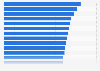
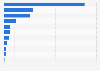
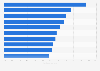
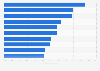
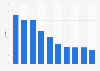
Domestic beauty brands in countries such as Thailand, Indonesia, Vietnam, and the Philippines are gaining significant popularity, challenging established international players. These brands often incorporate traditional ingredients, cultural beauty practices, and affordable pricing, making them highly appealing to local customers. In Southeast Asia, Indonesian brand Wardah, along with health and beauty stores Watsons from Hong Kong, Hasaki from Vietnam, and Guardian from Singapore, rank among the most popular beauty brands in the market.At the same time, Korean, Japanese, and Chinese beauty trends continue to have a strong influence, shaping consumer expectations around product innovation and multi-step skin care routines. The popularity of K-beauty is especially high across Southeast Asia. In addition, cross-border e-commerce has expanded access to international brands, creating a competitive yet dynamic beauty market.